Phobia Disorders Treatment in Randolph, NJ

If you or a loved one is searching for effective phobia disorder treatment in NJ, Moving Mountains Recovery is here to guide you on the path to healing and recovery.

Medically Reviewed By:

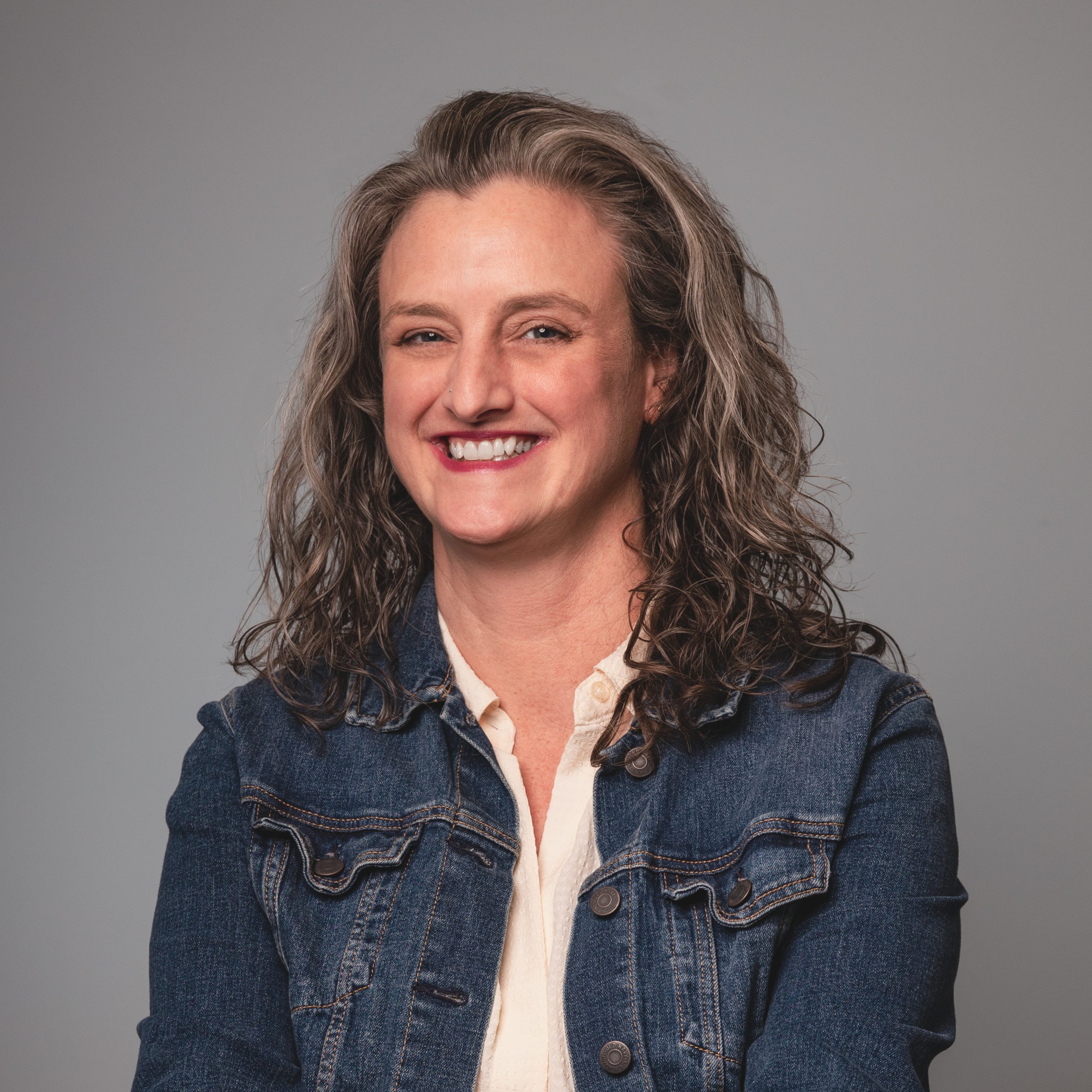
Kelly Donald, PMHNP

Treatment for Phobia Disorders

Phobia Disorders Treatment in Randolph, NJ

Phobias are intense, often irrational fears that can significantly interfere with daily life, relationships, and overall mental health. For many, these fears are so overwhelming that they begin to center their lives on avoiding the object or situation of their fear, limiting their ability to live fully and freely. However, phobias are treatable, and professional therapy offers a pathway to regain control and reduce overwhelming fear responses.

At Moving Mountains Recover,  we specialize in helping individuals manage and overcome phobias with our phobia disorders treatment in Randolph, NJ. Through evidence-based techniques and compassionate care, we work with you to understand your fears and create a treatment plan that supports meaningful progress and recovery.


Understanding Phobia Disorders

Fear of something is pretty common, but when it turns into an actual phobia disorder, it can take a serious toll on your mental well-being and quality of life. If you want to learn how to treat phobias, you should first understand what they are, how they form, and how they affect your mental health.

What Is a Phobia Disorder?

A phobia is a type of anxiety disorder characterized by an intense and disproportionate fear of a particular object, situation, or activity. Unlike general fear, which typically has a rational basis, the severity of a phobia often exceeds the actual danger posed by the feared stimulus.

Some phobias may stem from specific experiences or traumas, while others may appear seemingly without cause. Regardless of the root, the fear and avoidance behaviors associated with phobias can quickly disrupt daily life if untreated.

The Difference Between Fear and Phobias

Fear is a normal and adaptive emotion that helps us respond to threats and danger. For instance, feeling nervous around a dangerous animal is a rational fear. In contrast, phobias are persistent and irrational fears that go beyond normal reactions, often prompting individuals to avoid safe or non-threatening situations entirely.

For example, someone with acrophobia (fear of heights) might avoid climbing stairs regardless of how safe the environment is, or someone with a social phobia might steer clear of all social interactions out of fear of judgment.

How Phobias Affect Mental Health

Phobias can lead to a cycle of anxiety, stress, and avoidance, negatively impacting mental health:

  • Persistent worry and panic in anticipation of encountering the feared object or situation
  • Feelings of isolation due to avoiding social events or activities
  • Increased risk of developing additional mental health conditions, like generalized anxiety or depression
Why Phobias Often Develop

Phobias can develop for a variety of reasons, including:

  • Traumatic Events: Past traumatic experiences may create an intense fear response to related objects or situations.
  • Genetics: A family history of anxiety or phobias can increase susceptibility.
  • Brain Function: Imbalances in brain chemistry or dysfunctional fear-processing pathways can contribute.

Environment and upbringing can also play major roles. Regardless of the cause, professional intervention can help individuals identify and address their unique triggers.

Common Types of Phobia Disorders

Phobias are specific types of anxiety disorders that center around one theme or fear stimulus. There are several types of phobias, and each person experiences their phobia differently.

Specific Phobias

Specific phobias are considered to be the most common type of phobia. Specific phobias involve fear of stimuli such as animals (spiders, snakes, dogs), blood/injections, heights, closed spaces, and many more.

Social Anxiety

Social anxiety is also known as social phobia. People who suffer from social phobia fear participating in social or professional situations where they may feel embarrassed, judged, or humiliated. They often struggle to form meaningful relationships with people.

Agoraphobia

People who suffer from agoraphobia have a fear of leaving their place of home. Agoraphobia causes people to fear traveling on public transit, being in large crowds, or even being outside alone.

Environment/Situational Phobias

This could range from fear of flying to fear of water. Some environment/situational phobias include: aviophobia, aerophobia (fear of flying), acrophobia (fear of heights), aquaphobia (fear of water), and many more.

Each fear can be addressed with appropriate treatment, and you can learn to overcome your phobias.

Signs Someone May Need Treatment for Phobias in Randolph

Phobias aren’t always easy to recognize, especially when someone manages their symptoms through avoidance behaviors. However, certain signs can indicate that professional help is necessary.

Emotional Symptoms

  • Intense fear or dread when confronted with the phobia trigger

  • Persistent worry about encountering the feared object or situation

  • Difficulty calming down after experiencing a phobic episode

Physical Symptoms

  • Sweating, shaking, or dizziness

  • Increased heart rate (palpitations) or chest pain

  • Shortness of breath or tightness in the chest

  • Nausea or gastrointestinal distress

Behavioral Avoidance

  • Avoiding locations, events, or experiences that might trigger the phobia

  • Developing rigid routines to “protect” against encountering the fear

  • Taking extreme measures to stay “safe.”

Impact on Daily Life

Phobias can sometimes affect a person’s ability to:

  • Maintain personal relationships

  • Achieve professional success

  • Engage in hobbies or activities they usually enjoy

When a phobia disrupts daily life, seeking solutions like therapy for phobias near Randolph, NJ, is a critical step.

Therapy for Phobias in Randolph, NJ

There are treatments available that can help people overcome their phobias. Treatment at Moving Mountains Recovery is personalized to your needs. Here are just a few ways that we can help you find healing.

CBT (Cognitive Behavioral Therapy)

Cognitive Behavioral Therapy has been proven to help people conquer phobias. During CBT, our clients learn to identify negative thoughts and retrain their thinking to a healthier mindset.

Exposure Therapy

Through repeated exposure to the source of your fears in a safe environment, you will gradually feel less fearful and less avoidant.

Breathing and Relaxation Exercises

Learning how to control your body’s reactions to anxiety with breathing exercises and progressive muscle relaxation can be an important step in treating phobias.

We create treatment plans that are specific to you and your struggles with phobias. Reach out today to learn how we can help you conquer your fears.

Holistic and Experiential Approaches to Anxiety Treatment

At Moving Mountains Recovery, we believe that overcoming phobias and anxiety often requires a holistic approach that addresses the whole person—not just their symptoms.

Mindfulness and Meditation

Mindfulness practices encourage you to stay grounded in the present moment and work with racing fear or worry about what might happen in the future.

Adventure Therapy

Sometimes it takes trying something new or adventurous to experience breakthroughs in therapy. We incorporate adventure-based experiences to help clients work through their fears and develop confidence.

Exercise 

When you take care of your body, you can better care of your mind and emotions. Movement can help improve your mood and lower anxiety.

Experience Success

By facing challenges with fear in safe, supportive settings, you learn that you can overcome it, and this is where change begins.

Benefits of Professional Phobia Treatment

The benefits of treatment for phobia disorders can be life-transforming.

  • Gain control of fear reactions. Therapy allows clients to moderate their emotional and physical fear responses so they can relax and feel in control.
  • Learn healthy coping mechanisms. Clients receive specific tools to manage stress, build emotional resilience, and confidently take on future obstacles.
  • Experience less avoidance in your day-to-day life. Want to attend a party, reach a career objective, or try something new? Our treatment will help clients feel ready to embrace life to the fullest.
  • Build confidence to take on other challenges. Once clients conquer the anxiety surrounding their specific phobia, they gain emotional strength that can help improve self-esteem and target other areas of concern.

Why Choose Moving Mountains Recovery for Phobia Disorder Treatment?

Finding the best treatment facility to care for your phobia disorder in Randolph, NJ is important to ensure you get the best and longest-lasting recovery. At Moving Mountains Recovery, we strive to give you the best individualized care possible.

Experienced and Compassionate Therapists

We have therapists who are specially trained in anxiety and phobia treatment. They are professional, licensed, and compassionate.

Individualized Treatment Programs

Tailored treatment programs designed around your needs. We offer flexible and personalized treatment options.

Evidence-Based Treatment

Clients receive clinically proven treatment modalities such as cognitive-behavioral therapy and dialectical behavioral therapy.

Holistic Recovery

Coupled with evidence-based treatments, our center provides experiential therapy and holistic recovery.

Adventure Therapy

Clients enjoy outdoor recreation in addition to traditional treatment modalities. Perfect combination of adventure and recovery.

Mindfulness Therapy

Mindfulness and meditation are included in your individualized treatment program.

Start Phobia Disorder Treatment in Randolph, NJ

Fear doesn’t have to dictate your life. There are effective treatment options available at Moving Mountains Recovery in Randolph, NJ, that can help you overcome fear and live life with less anxiety. No matter what type of phobia disorder you’re living with, we can help. Using evidence-based and experiential therapies to help you heal from the inside out, you’ll find our team at Moving Mountains Recovery has your back every step of the way. Reach out today for more information on our phobia treatment programs in Randolph, NJ, and start your journey towards recovery.

Jump to Section

Table of Contents

Request a Callback

First Name:(Required)
Last Name:(Required)
Moving Mountains

A Leader in High-Quality Treatment

At Moving Mountains Recovery Center, you are more than just another number.

Insurance Can Cover Up to 100%

We Accept Most Major Insurance

We have a team of experts that navigate the relationship with the insurance companies on your behalf to make sure you’re getting the highest levels of care at the least amount possible.

Don’t see your provider?

Let's Move Mountains Together

Ready to Change Your Life?