Trauma Therapy in Randolph, NJ

Moving Mountains Recovery, based in Randolph, New Jersey, utilizes various therapeutic methods to help those in need recover from drug and alcohol addiction.

Medically Reviewed By:

Kelly Donald, PMHNP

Trauma Therapy in New Jersey

Trauma Therapy in Randolph, NJ

Trauma can take many forms. Some experience trauma as a result of one significant incident, while others may face long-term scenarios that subject them to traumatic situations. Trauma can negatively affect your emotions, relationships, and everyday functioning. Many times, when triggered, trauma can cause overwhelming emotions, feelings of loneliness, and the inability to cope with daily stressors. If left untreated, trauma can develop into anxiety, depression, and even post-traumatic stress disorder (PTSD).

At Moving Mountains Recovery in Randolph, NJ, we understand how trauma can affect your life and prevent you from moving forward. Our therapists provide trauma therapy in Randolph, NJ, using evidence-based treatments and holistic healing methods to help you take back control of your life and find recovery.

Understanding Trauma and Its Effects

Trauma isn’t just about surviving a distressing event—its emotional and physical impact can leave deep scars. To effectively treat trauma, it is crucial to understand what it is, how it affects the brain, and how it influences emotional and physical health over time.

What Is Psychological Trauma?

Psychological trauma refers to the emotional and mental distress triggered by experiencing or witnessing a deeply distressing event. Trauma may arise from events like:

  • Physical or emotional abuse
  • Natural disasters
  • Serious accidents
  • Loss of a loved one
  • Violence or assault

While anyone can experience trauma, individual responses vary widely based on personal resilience, support systems, and biological factors.

How Trauma Affects the Brain

Trauma impacts how different parts of the brain control emotions, memory and reasoning. The amygdala can become hyperactive (fear response). The hippocampus has trouble distinguishing between past traumatic memories and current experiences. Chronic trauma can impact the prefrontal cortex, which is associated with reasoning and curbing impulses.

No wonder people kick into panic mode long after trauma has passed or they experience flashbacks, hyperarousal, or trouble focusing.

Short-Term vs Long-Term Trauma Effects

Trauma manifests differently based on the duration and severity of the experience:

  • Short-Term Effects: Emotional shock, confusion, fear, or temporary withdrawal after a traumatic event.
  • Long-Term Effects: Chronic anxiety, insomnia, depression, flashbacks, self-destructive behavior, or difficulty maintaining relationships.

When untreated, short-term effects can evolve into long-term struggles, emphasizing the importance of intervention.

Trauma and Co-Occurring Mental Health Conditions

Trauma often coexists with other mental health conditions, including:

  • Anxiety Disorders: Constant worry or panic attacks stemming from unresolved fear.
  • Depression: Feelings of hopelessness or emotional numbness are common after trauma.
  • Substance Use Disorders: Many individuals turn to substances to cope with emotional pain.

Seeking trauma therapy near Randolph, NJ can help identify and address both trauma and any co-occurring conditions.

Signs Someone May Need Trauma Therapy

Figuring out that you are suffering from trauma means you will get help before it escalates any further. There are different symptoms of trauma that you may experience, including emotional symptoms, physical symptoms, and behavioral symptoms.


Examples of emotional trauma symptoms are overwhelming fear, sadness, or anger. Feeling numb or detached from others, shame or guilt, or easily triggered emotions are other trauma symptoms that affect your emotions. If you are dealing with trauma, you may experience any of these symptoms, which can cause you to have problems with your day-to-day life.

There are also behavioral signs that you may be experiencing from trauma that you haven’t healed from. These symptoms include avoiding places, people, or events that remind you of the trauma, engaging in risky behaviors, or pulling away from friends and family.


Just like trauma can cause you to experience emotional symptoms and behavioral symptoms, you may experience physical symptoms as well. When someone goes through trauma, they may experience fatigue, insomnia, tension or pain in their muscles, headaches, nausea, or stomach pain, and increased heart rate.

After going through trauma, you may have problems in your relationships with your partner or the people you work with. You may find that you do not trust others like you used to, have lower performance at your job, have missed days, or want to fight or have angry outbursts more often.

When you realize that you are experiencing symptoms of trauma, you can get help and start counseling to feel better. You don’t have to let trauma control your life and stop you from doing things that you love.


PTSD and Trauma-Related Conditions

Trauma can happen to anyone, but it can present itself in different forms. PTSD vs. other types of trauma are different, and it’s important to know the difference so you get the right treatment for your needs.

PTSD develops after someone goes through or witnesses a situation in which real or threatened death occurred. Professional treatment for PTSD in Randolph, NJ can help you overcome the feelings of reliving the event through flashbacks and nightmares, being overly watchful for danger, or staying away from places you enjoy.

Complex PTSD

Complex trauma is the result of more than one traumatic event. People who have experienced complex trauma often have experienced abuse or neglect over a long period of time. Complex trauma effects ones ability to manage emotions, feel safe, and trust others.

Childhood Trauma

Childhood trauma is when a child experiences an event that affects their emotions and carries those effects into adulthood.

Trauma can cause someone to struggle with regulating their emotions, attachment trauma, or relationships.

Drug and Alcohol Abuse

Trauma and substance use often go hand in hand. Most people who use drugs or alcohol as a coping mechanism are trying to numb the emotions they feel from a traumatic experience they have been through. Seek treatment for trauma at a trauma recovery center in Randolph, NJ.

Trauma Therapy Programs in Randolph, NJ

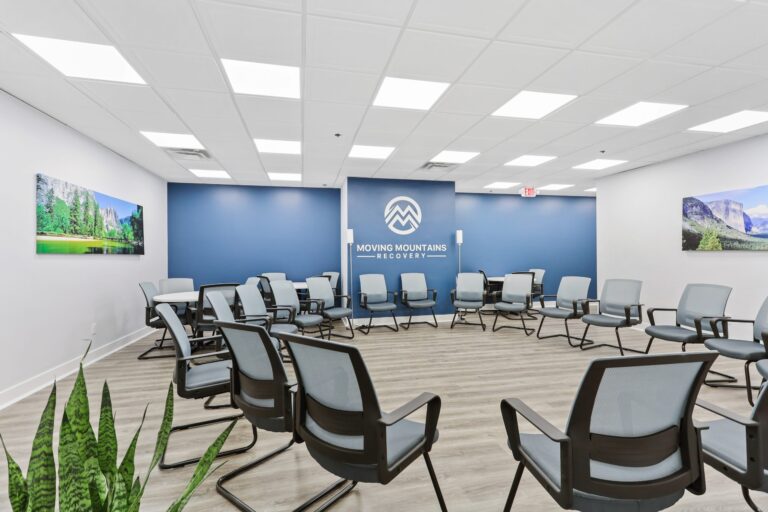
Moving Mountains Recovery offers trauma-informed therapy services for people looking to heal in a safe environment.

Trauma Individual Counseling

Trauma individual counseling offers a safe space to express yourself one-on-one with a caring therapist. Therapy can allow you to build skills you can use to cope with trauma and work towards your goals.

Group Therapy

Group therapy connects you with others who have similar experiences. You’ll work with caring clinicians to provide support and build skills with others who understand what you’ve been through.

Trauma-Informed Treatment

Treating trauma requires delicacy and care. Our clinicians take time to develop treatment plans while keeping your need for safety in mind.

Family Therapy

Family therapy allows your family to learn more about your experience with trauma and recover together. Family therapy can improve communication and empathy while allowing your support system to learn more about what you’ve been through.

Evidence-Based Trauma Therapies

At Moving Mountains Recovery, we use evidence-based therapies to help guide you towards sustained success.

CBT Therapy

CBT works to change the negative thinking patterns that are triggered by trauma. Patients learn how to practice positive thinking and cope with strong emotions.

DBT Therapy

The focus of DBT is on regulating emotions, practicing mindfulness, and improving relationships. This type of therapy works to address intense emotions and negative coping mechanisms that occur with trauma.

EMDR Therapy

EMDR allows patients to reprocess traumatic events by developing healthier associations with memories. Patients follow the rhythmic movement of their therapist’s finger with their eyes while focusing on traumatic memories.

EFT Therapy

EFT works to discover what is triggering your emotions. This type of therapy can be useful for trauma that has occurred within your relationships by addressing issues with attachment.

Holistic Trauma Healing Approaches

At Moving Mountains Recovery, we believe in treating the whole person—not just their symptoms. Holistic approaches complement traditional therapies, providing renewed emotional strength and resilience.

Mindfulness and Stress Reduction

Mindfulness exercises, breathing techniques, and meditation promote calm and reduce stress. This practice helps clients focus on the present instead of replaying past traumatic events.

Adventure and Experiential Therapy

Our innovative trauma recovery programs in Randolph, NJ include adventure therapy, engaging clients in outdoor activities that build confidence, resilience, and personal growth in a supportive environment.

Physical Activity and Emotional Healing

Exercise plays a crucial role in emotional healing, releasing endorphins that reduce stress and improve mental health. Whether it’s yoga, hiking, or other physical activities, moving the body supports recovery.

Building Confidence and Self-Awareness

Trauma often affects self-esteem and identity. By tackling therapeutic challenges and gaining new insights, clients rediscover their inner strength and increase their self-awareness.

Begin Trauma Therapy in Randolph, NJ

Trauma doesn’t have to be a part of your life story. You can heal from trauma with the proper support, understanding, and tools. At Moving Mountains Recovery, we provide caring support, individualized treatment plans, evidence-based care, and holistic healing to help you through your trauma recovery journey.

If you are just taking your first steps toward recovery or have previously tried therapy but want to try again, we are here to support you and help you achieve long-lasting healing. Don’t hesitate to get the help you deserve and take control of your mental health. Reach out to Moving Mountains Recovery today to discover more about trauma therapy in Randolph, NJ, and start creating your new future.

Jump to Section

Table of Contents

Request a Callback

First Name:(Required)
Last Name:(Required)
Moving Mountains

A Leader in High-Quality Treatment

At Moving Mountains Recovery Center, you are more than just another number.

Insurance Can Cover Up to 100%

We Accept Most Major Insurance

We have a team of experts that navigate the relationship with the insurance companies on your behalf to make sure you’re getting the highest levels of care at the least amount possible.

Don’t see your provider?

Let's Move Mountains Together

Ready to Change Your Life?