24/7 Help Available

Schizoaffective Disorder Treatment in Randolph, NJ

Moving Mountains Recovery, based in Randolph, New Jersey, offers various programs for those struggling with mental health and addiction.

Medically Reviewed By:

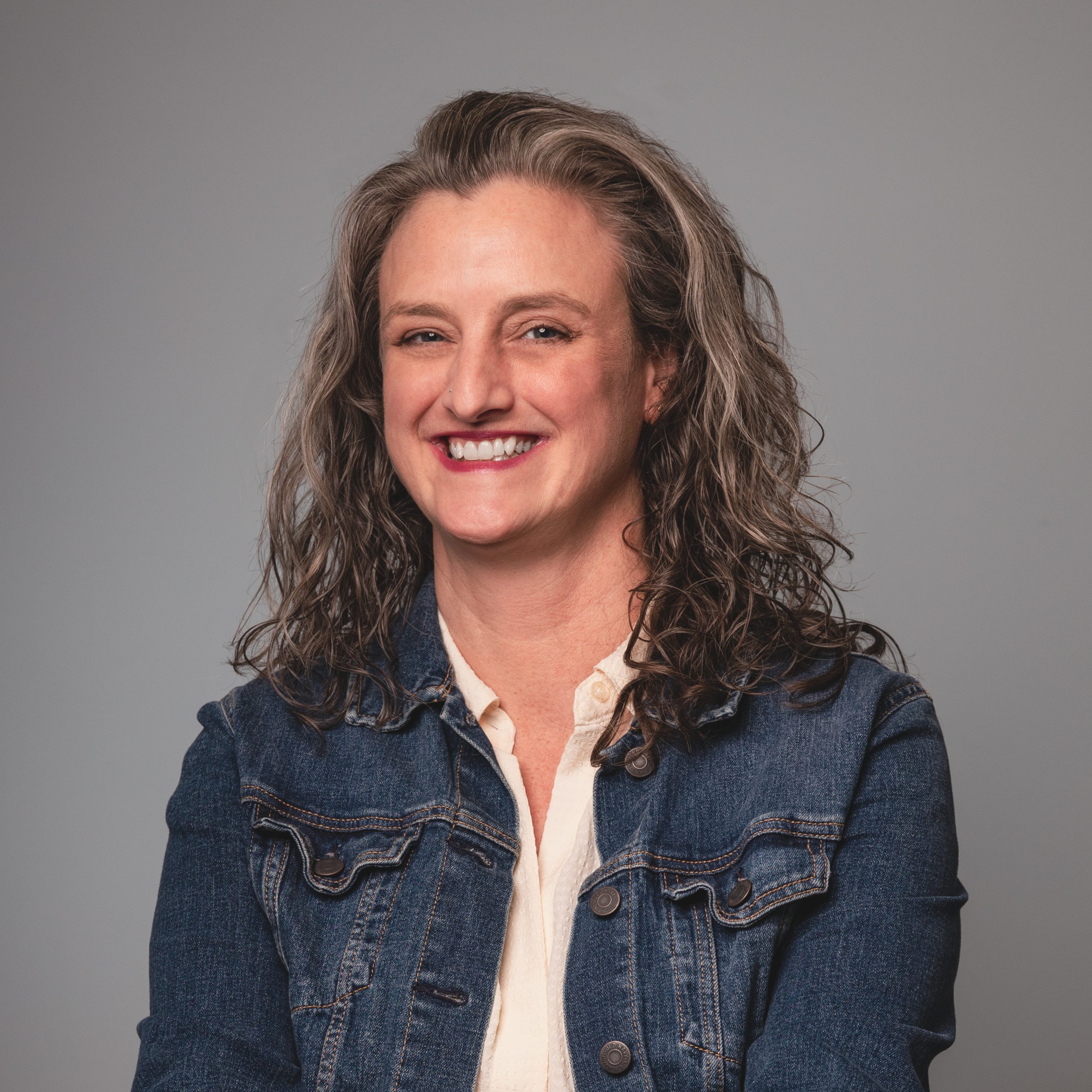
Kelly Donald, PMHNP

Schizoaffective Treatment Program

Schizoaffective Treatment in NJ

Schizophrenia is a serious and chronic mental health disorder that affects the way a person thinks, feels, and experiences the world. Individuals living with schizophrenia may experience hallucinations, delusions, disorganized thinking, and significant disruptions in daily functioning. Without proper treatment, these symptoms can make it extremely difficult to maintain relationships, manage responsibilities, or stay connected to reality. Effective schizophrenia disorder treatment in Randolph, NJ helps individuals reduce symptoms, improve stability, and regain control over their lives through structured, evidence-based care.

Many people with schizophrenia also struggle with mood changes, anxiety, or co-occurring substance use. When symptoms become overwhelming, some individuals turn to drugs or alcohol in an attempt to cope, which only worsens their mental health over time. At Moving Mountains Recovery, we understand how important it is to treat schizophrenia and any co-occurring disorders simultaneously. Our integrated approach addresses the root causes of both conditions, helping clients build coping skills, regulate emotions, and stabilize their mental health in a safe, supportive environment.

Comprehensive schizophrenia treatment typically includes a combination of medication management, psychotherapy, skills training, and holistic interventions. Antipsychotic medications can reduce hallucinations and delusions, while therapies such as Cognitive Behavioral Therapy (CBT), psychosocial education, and life-skills training help individuals better understand their symptoms and develop long-term tools for success. Our team at Moving Mountains Recovery works closely with each client to create personalized treatment plans that support lasting progress and improved quality of life.

For many families, schizophrenia and its treatment may feel unfamiliar or overwhelming. That’s why our team provides education, guidance, and ongoing support to help both clients and loved ones navigate recovery with confidence. If you or someone you care about is seeking schizophrenia disorder treatment in Randolph, NJ, Moving Mountains Recovery is here to help. Reach out today to learn more about our compassionate, holistic programs and begin the path toward stability, strength, and long-term healing.

What is Schizoaffective Disorder?

Schizoaffective disorder is a complex and serious mental health condition that combines symptoms of schizophrenia—such as hallucinations, delusions, and disorganized thinking—with significant mood episodes like depression or mania. Because it blends features of two separate disorders, schizoaffective disorder can be challenging to recognize and diagnose. Individuals often experience disruptions in thinking, perception, and emotional stability, which can make daily functioning and maintaining relationships difficult.

This disorder is more common than many people realize. According to the National Alliance on Mental Illness (NAMI), schizoaffective disorder affects approximately 0.3% of the population, making it slightly less common than schizophrenia but still impacting hundreds of thousands of people in the United States each year. Despite its rarity, the condition is frequently misdiagnosed as either bipolar disorder or schizophrenia alone, leading to delays in receiving the proper treatment.

People with schizoaffective disorder may struggle with a wide range of symptoms, including paranoia, intense mood fluctuations, hallucinations, difficulties concentrating, and disruptions in self-care. These symptoms can appear intermittently or persist over longer periods, depending on the subtype of the disorder. Without consistent support, individuals may face challenges with work, school, relationships, and daily responsibilities, increasing the risk of isolation, substance use, or hospitalization.

While schizoaffective disorder can feel overwhelming, it is a treatable condition when addressed through a comprehensive and individualized care plan. Effective treatment typically includes a combination of antipsychotic medications, mood stabilizers, therapy, life-skills training, and community support. Early diagnosis and intervention can significantly improve long-term outcomes by helping individuals stabilize their symptoms, enhance their coping strategies, and build a more balanced and fulfilling life. With the right support system and a personalized treatment approach, people living with schizoaffective disorder can achieve meaningful recovery and long-term stability.

What are the Symptoms of Schizoaffective Disorder?

Symptoms of schizoaffective disorder can vary from person to person and range from mild to severe. People with schizoaffective disorder may experience extreme mood changes, including depression, mania, or both. Some also experience psychotic symptoms that may coincide with mood changes or happen independently.

Psychotic Symptoms

  • Unclear thinking
  • Delusions (false beliefs not based in reality)
  • Hallucinations (perceived sensations of things that do not exist, such as hearing voices or seeing things that are not there)
  • Difficulty discerning between reality and your imagination
  • Disorganized thoughts and speech
  • Odd behaviors
  • Paranoia
  • Lack of emotions in facial expressions or tone of voice
  • Low motivation
  • Slowed movements or inability to move

Depression Symptoms

  • Feeling low or sad
  • Recurrent thoughts of death
  • Suicidal thoughts or behaviors
  • Shame or guilt
  • Low energy
  • Loss of pleasure in activities you once enjoyed
  • Feeling hopeless
  • Believing you are worthless
  • Appetite changes with weight loss or gain
  • Trouble with thinking and concentration
  • Changes in sleeping patterns–sleeping too much or not sleeping enough

Mania Symptoms

  • Distractibility
  • Rapid or excessive talking
  • Increased activity
  • Racing thoughts
  • Agitation
  • Self-destructive behaviors like driving recklessly, spending money irresponsibly, or having unsafe sex

The symptoms of schizoaffective disorder may come and go throughout a person’s lifetime, but the condition is chronic and cannot be cured.

Diagnosing Schizoaffective Disorder

Diagnosing schizoaffective disorder can be complex because its symptoms overlap with multiple mental health conditions, including schizophrenia, bipolar disorder, and major depressive disorder. At our schizophrenia treatment center in Randolph, NJ, we use a thorough, evidence-based diagnostic process to ensure each individual receives an accurate diagnosis and the right level of care.

Comprehensive Psychiatric Evaluation: The diagnostic process begins with an in-depth psychiatric assessment conducted by licensed mental health professionals. During this evaluation, clinicians explore symptom patterns, the duration of mood episodes, history of psychosis, and how these symptoms have impacted daily functioning.

Review of Medical & Mental Health History: Because certain medical conditions, medications, and substance use can cause or worsen psychotic symptoms, our team carefully reviews each client’s medical background. This helps rule out other causes and provides a clearer picture of the underlying disorder.

Structured Clinical Interviews & Diagnostic Tools: We use standardized diagnostic instruments—such as DSM-5 criteria and structured interviews—to differentiate schizoaffective disorder from related conditions like schizophrenia or bipolar disorder with psychotic features. This ensures precision and reduces the risk of misdiagnosis.

Monitoring Symptom Patterns Over Time: Schizoaffective disorder diagnosis often requires observing symptoms across an extended period. Our clinical team monitors mood cycling, psychotic symptoms, and functional changes to confirm whether they meet the diagnostic criteria for schizoaffective disorder.

Collaboration With Family and Caregivers: When appropriate, input from family members or caregivers is included to help clinicians understand symptom onset, behavioral shifts, and long-term patterns that may not be immediately visible during assessments.

Creating a Personalized Treatment Plan: Once a diagnosis is confirmed, our team develops an individualized treatment plan that addresses both mood-related symptoms and psychosis. This integrated approach helps clients stabilize more effectively and begin building the skills needed for long-term recovery.

What to Expect From Treatment for Schizoaffective Disorder in Randolph, NJ

Schizoaffective disorder is a complex mental illness that can affect every aspect of a person’s life. Mental health experts believe that schizoaffective disorder may have an underlying genetic cause but may also involve brain chemistry and structure, environmental factors like stress and trauma, and drug abuse.

Treatment for schizoaffective disorder typically involves a holistic approach, allowing people to address this condition’s social, emotional, and physical symptoms.

Psychotherapy

Family therapy can also be beneficial and allows family members to learn about schizoaffective disorder and how to best support a loved one living with it. A combination of individual and family therapy can enhance your quality of life and create a more supportive, healing environment.

Medications

People with schizoaffective disorder may take prescription medications to help them reduce or manage their symptoms. Antidepressants and antipsychotic drugs can help treat the mood-related and psychotic symptoms common in this condition.

Skills Training

People with schizoaffective disorder can typically manage their symptoms in an outpatient treatment program. However, some people may require inpatient care to stabilize symptoms and receive intensive treatment and supervision. After completing an inpatient program, many people continue to receive support from schizoaffective disorder treatment programs on an outpatient basis.


The Benefits of Choosing Our Morris County Schizoaffective Disorder Treatment Program

Selecting the right treatment program for schizoaffective disorder is essential for long-term stability, safety, and well-being. Our Morris County schizoaffective disorder treatment program offers a comprehensive, clinically sound, and compassionate approach designed to support each individual’s unique needs. By combining evidence-based care with a supportive environment, we help clients build a stronger foundation for recovery and improved quality of life.

Integrated Treatment for Mood and Psychotic Symptoms: Schizoaffective disorder affects both mood regulation and perception, which requires a treatment approach that addresses both. Our program integrates therapies for mood stabilization, psychosis management, and behavioral support, ensuring clients receive complete, cohesive care.

Expert Clinical Team Specializing in Complex Disorders: Clients work with licensed psychiatrists, therapists, and mental health professionals experienced in treating schizoaffective disorder. Our team understands the nuances of mood episodes, hallucinations, delusions, and functional challenges, providing targeted support at every stage of recovery.

Personalized Treatment Plans: No two individuals experience schizoaffective disorder in the same way. We tailor each treatment plan based on a client’s symptoms, medical history, triggers, personal goals, and level of daily functioning. This individualized approach leads to more effective symptom management and better long-term outcomes.

Medication Management and Ongoing Monitoring: Medication can be a crucial part of stabilizing mood and reducing psychotic symptoms. Our psychiatric team provides thorough medication management, monitoring progress closely and adjusting treatment as needed to ensure safety and effectiveness.

Structured, Supportive Environment: Our Morris County facility offers a calming, therapeutic setting where clients can focus on healing without outside stressors. A structured daily routine—including therapy sessions, wellness activities, and skill-building—promotes consistency and stability.

Therapy That Builds Real-World Coping Skills: Clients learn practical tools to manage stress, regulate emotions, challenge distorted thinking, and improve daily functioning. These skills help individuals maintain progress long after completing the program.

Family Support and Education: Because schizoaffective disorder affects the entire family, we provide education and therapy sessions that help loved ones understand the condition, improve communication, and learn how to support recovery without enabling symptoms.

Continued Support After Treatment: Recovery doesn’t end at discharge. We offer ongoing aftercare services, referrals, and relapse-prevention planning to help clients maintain stability as they transition back into everyday life.

Local Care in Morris County, NJ: Receiving treatment close to home allows clients to stay connected to their support system and access ongoing care more easily. Our convenient Morris County location helps reinforce continuity, comfort, and long-term engagement in treatment.

Find Schizoaffective Disorder Treatment in New Jersey

If you or someone you love is living with schizoaffective disorder, or if you’re seeking an accurate diagnosis, it’s important to remember that you are not alone. Schizoaffective disorder can feel overwhelming, but with the right support, stability and meaningful recovery are absolutely possible. At Moving Mountains Recovery, our compassionate mental health specialists are here to guide you every step of the way.

We offer comprehensive, holistic schizoaffective disorder treatment programs designed to address both mood-related symptoms and psychotic features, while also supporting your physical, emotional, and social well-being. From expert diagnostic assessments to personalized therapy, medication management, and ongoing aftercare, our team works closely with each individual to create a path toward long-term wellness.

Help is only a phone call away. Reach out to Moving Mountains Recovery today to learn how our evidence-based and client-centered mental health services in New Jersey can help you or your loved one begin building a healthier, more stable future.

Jump to Section

Table of Contents

Request a Callback

First Name:(Required)
Last Name:(Required)
Moving Mountains

A Leader in High-Quality Treatment

At Moving Mountains Recovery Center, you are more than just another number.

Insurance Can Cover Up to 100%

We Accept Most Major Insurance

We have a team of experts that navigate the relationship with the insurance companies on your behalf to make sure you’re getting the highest levels of care at the least amount possible.

Don’t see your provider?

Let's Move Mountains Together

Ready to Change Your Life?