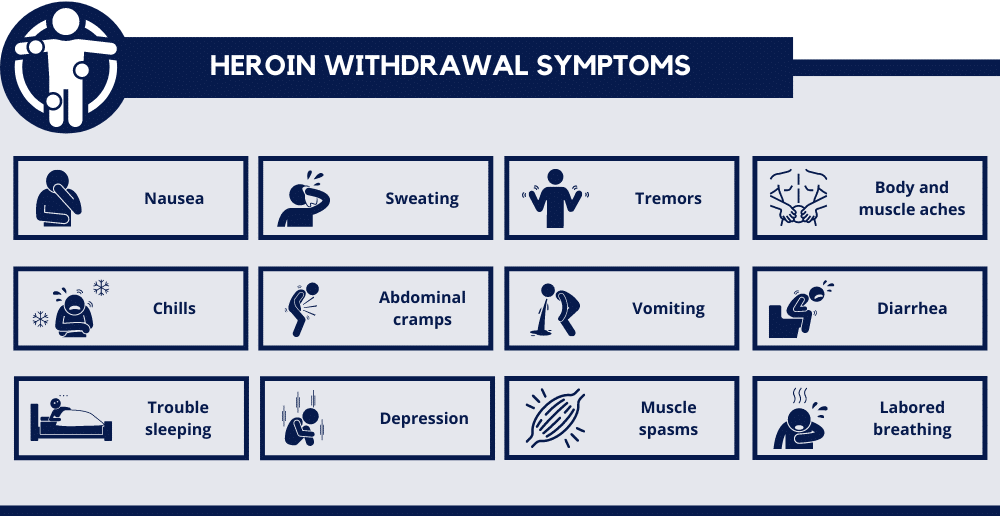

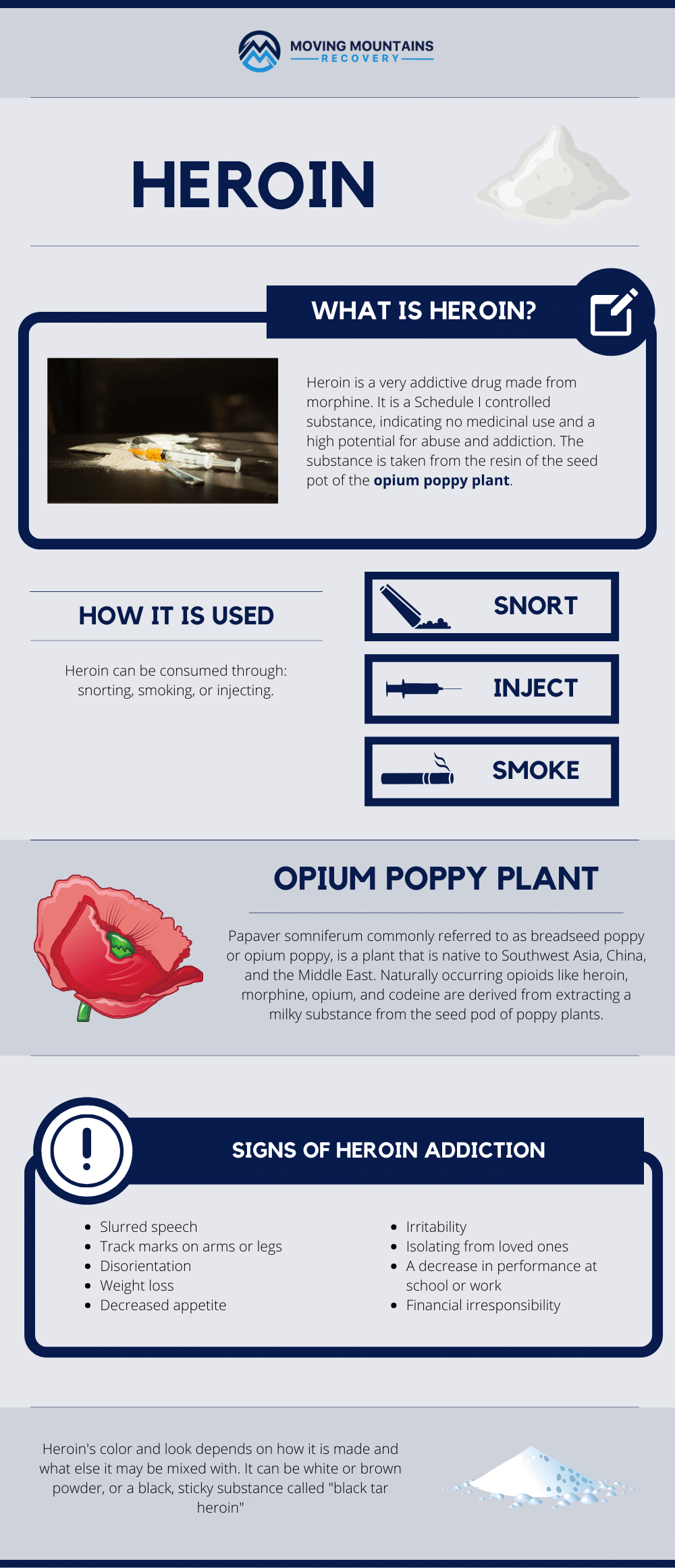
Heroin addiction is a complex and serious substance use disorder that affects both the brain and body. As a powerful opioid, heroin rapidly alters brain chemistry by interacting with receptors that regulate pain, pleasure, and reward. Over time, repeated heroin use leads to physical dependence, intense cravings, and withdrawal symptoms, making it extremely difficult to stop using without professional treatment.
Beyond physical dependence, heroin addiction often impacts mental health, emotional well-being, and daily functioning. Many individuals experience anxiety, depression, mood instability, and impaired decision-making as addiction progresses. Relationships, employment, and overall quality of life are frequently affected, increasing the need for comprehensive, evidence-based heroin addiction treatment that addresses both the physical and psychological components of the disorder.