
24/7 Help Available

Cocaine Addiction Treatment in Randolph,NJ

Moving Mountains Recovery, based in Randolph, New Jersey, offers a comprehensive and unique approach to Recovery from Cocaine Addiction.

Medically Reviewed By:

Kelly Donald, PMHNP

COcaine Addiction Treatment in Randolph, NJ

Our Cocaine Addiction Treatment Program in New Jersey

Cocaine addiction is a dangerous and complex condition that affects countless individuals across New Jersey, including those in the Randolph area. This highly addictive stimulant can cause devastating consequences for your physical health, mental well-being, and relationships. The longer cocaine addiction persists, the more difficult it becomes to break free, which makes professional treatment essential.

At Moving Mountains Recovery, we understand the struggles of addiction and offer evidence-based cocaine addiction treatment in Randolph designed to help you reclaim your freedom. Addiction doesn’t have to define you, and with the right care, lifelong recovery is possible. Our personalized approach provides the tools, support, and encouragement you need to move forward—one step at a time.

If you or someone you love is searching for cocaine addiction treatment near me, know that help is here. Let’s explore the signs of cocaine addiction, when to seek help, and what treatment looks like in our Randolph program.

 
Information on Cocaine Addiction

What Is Cocaine?

Cocaine is an illicit stimulant drug derived from the coca plant, and it is commonly abused for its euphoric and energizing effects. Addiction occurs when a person develops a physical and psychological dependence on the drug, leading to compulsive use despite its harmful consequences.

As you continue to use cocaine, your brain constantly craves the dopamine rush associated with the drug’s effects. Over time, the brain’s ability to produce dopamine naturally becomes impaired, creating a relentless cycle of dependency. Without professional addiction treatment, cocaine addiction can have severe consequences for your health, emotional stability, career, and relationships.

Common Types of Cocaine Addiction in New Jersey

Cocaine addiction is widespread across New Jersey, occurring in several forms:

Powder Cocaine Addiction

Powder cocaine is snorted or injected, offering a fast-acting high. Many people use this form recreationally but quickly develop tolerance and dependency.

Crack Cocaine Addiction

Crack cocaine is a crystalized version of the drug that is typically smoked. This produces a more intense and short-lived high, which often results in repeated use and higher addiction rates.

Polysubstance Cocaine Addiction

Some individuals mix cocaine with other substances, such as alcohol, opioids, or other stimulants, leading to dangerous health complications and heightened addiction risks.

No matter the type of addiction, professional Randolph cocaine addiction programs provide the tools and support needed to break these cycles and begin recovery.


Signs and Symptoms of Cocaine Abuse

Cocaine is a highly addictive stimulant drug that can quickly lead to abuse and addiction. Some common signs of addiction include:

Physical Signs

  • Dilated pupils: Enlarged pupils beyond normal size, often a physiological response to cocaine’s stimulant effects.
  • Increased heart rate: Accelerated heartbeat is a common physiological response to cocaine, contributing to heightened alertness and energy.
  • Elevated blood pressure: Higher-than-normal blood pressure levels are a result of cocaine’s stimulant properties, increasing the risk of cardiovascular issues.
  • Nasal issues (sniffing, nosebleeds): Cocaine is often snorted, causing irritation to the nasal passages, leading to sniffing, nosebleeds, and other related problems.
  • Weight loss due to appetite suppression: Cocaine’s appetite-suppressant effects can lead to significant weight loss as users may eat less than usual.
  • Sleep disturbances (insomnia): Cocaine’s stimulating effects can disrupt normal sleep patterns, leading to difficulties falling or staying asleep, resulting in insomnia.

Mental & Behavioral Signs

  • Elevated energy and alertness: Cocaine boosts energy levels and alertness, causing users to feel more awake and active than usual.
  • Mood swings (euphoria, irritability, anxiety): Cocaine can induce rapid and unpredictable changes in mood, ranging from euphoria to irritability and anxiety disorder.
  • Impulsive behavior: Cocaine use is associated with increased impulsivity, leading to risky and spontaneous actions.
  • Financial issues (due to spending on cocaine): Individuals addicted to cocaine may prioritize drug expenses over financial responsibilities, causing financial strain.
  • Social isolation: Cocaine abuse may lead to withdrawal from social circles as users isolate themselves from family and friends.
  • Paranoia and anxiety: Cocaine can induce feelings of paranoia and heightened anxiety, contributing to overall psychological distress.
  • Psychological effects (hallucinations, delusions): Prolonged cocaine use may lead to hallucinations and delusions, altering the user’s perception of reality.
  • Intense cravings for cocaine: Users develop a strong, persistent desire for cocaine, driving continued use and contributing to the cycle of addiction.

Mixing Substances Together

Using substances paired with alcohol is another very common form of abuse or addiction. Alcohol is legal and widely accepted across the United States while other drugs are not. Most people who drink alcohol also will use it coupled with Cocaine or other substances. While alcohol acts as a depressant, cocaine acts as a stimulant. This can cause serious health complications and is just one example. If someone is using a benzodiazepine with alcohol, they are putting themselves at risk for an overdose by lowering their oxygen intake and blood pressure, because both alcohol and benzodiazepines are depressants on your nervous system.

If you or a loved one is struggling with any of these forms of alcohol use, it is appropriate to call now to get the care needed by professionals. Using substances with alcohol can make a self-detox riskier than just alcohol alone regarding health complications.

Recognizing both physical and mental signs is essential for identifying and addressing cocaine abuse effectively. If you or someone you care about shows signs of cocaine addiction, it’s important to seek assistance promptly. Prolonged cocaine use can result in severe consequences, even leading to fatal outcomes.

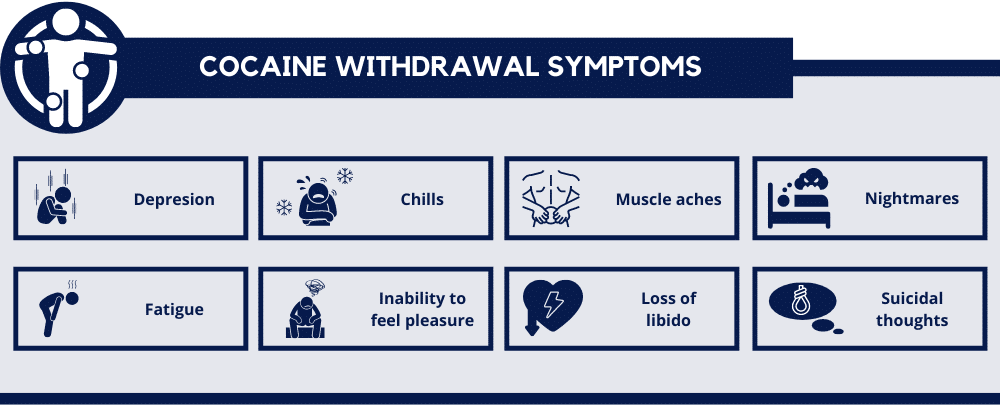
Cocaine withdrawals

What are the Long-term Effects of Cocaine Use?

Long-term cocaine use can have devastating effects on both your physical and mental health. As cocaine causes a rush of dopamine in your brain, repeated use changes the way your brain responds to the drug and its natural rewards. This can lead to addiction and a host of other issues.

Health Issues

  • Prolonged cocaine usage significantly jeopardizes your health, particularly impacting the well-being of your heart. It can lead to high blood pressure, irregular heartbeats, heart attacks, and even sudden death. Cocaine also narrows blood vessels, which can cause strokes by rupturing blood vessels in the brain. Breathing problems, seizures, and issues with your stomach are common side effects too. These health risks highlight the urgent need for professional help to address the serious consequences of continued cocaine use on your body.

Mental Health Impact

  • Persistent cocaine use has profound effects on the brain’s reward system and impulse control, potentially resulting in heightened anxiety, depression, paranoia, and even psychosis. Long-term users often grapple with hallucinations and delusional thinking, further emphasizing the toll on mental health.

    Beyond the psychological impact, cocaine addiction disrupts various aspects of life, causing challenges in relationships, work or school, and financial stability. The pervasive influence of cocaine on both mental well-being and daily functioning underscores the urgent need for intervention and support in overcoming this complex addiction.

Damaged Relationsips

  • Long-term cocaine use can harm relationships in many ways. People using cocaine often have trouble communicating, and trust breaks down because of deceit and unreliable behavior. Families may face financial problems as drug-related expenses take priority, and parental neglect can affect children.  Legal troubles may arise from illicit activities, leading to further strain.

    People using cocaine might isolate themselves, damaging connections with friends and family. Intimate relationships suffer due to emotional detachment and a focus on drug-related activities. Repeated conflicts become a pattern, making it crucial to seek professional help for recovery and repair relationships affected by cocaine use.

How Do You Know if a Loved One is Struggling With Alcohol Addiction?

With a variety of treatment approaches on hand, such as emotionally focused therapy, individuals can delve into understanding and managing the emotions that contribute to their addictive behaviors. This type of therapy is particularly helpful because, often, the struggle with addiction is tied to deeper emotional challenges.

Adventure therapy is another innovative method we use, which combines the healing power of nature with structured outdoor activities. This can involve team-building exercises and challenges that not only help to build confidence and self-reliance but also teach valuable life skills that are essential for maintaining sobriety.

Our team at Moving Mountains Recovery is composed of clinical and leadership professionals who are committed to providing compassionate and effective treatment for substance abuse. We offer a continuum of care that includes partial hospitalization, intensive outpatient care, and outpatient treatment, ensuring that individuals have access to the right level of support at every stage of their recovery.

At Moving Mountains for cocaine addiction, it is not just about overcoming the physical dependency; it’s about healing the whole person, emotionally and psychologically, to help individuals build a solid foundation for a drug-free life. Contact us today!


How Our New Jersey Cocaine Treatment Center Can Help

At Moving Mountains Recovery, we provide individualized, evidence-based treatment to help individuals overcome cocaine addiction in a supportive and compassionate environment. Our team understands that recovery looks different for everyone, so we focus on helping you heal physically, emotionally, and mentally. Through comprehensive care and a dedicated support system, we aim to equip you with lifelong skills that empower long-term sobriety and personal growth.

Cocaine addiction treatment in Randolph begins with a thorough assessment of your history, needs, and goals. This allows us to create a personalized care plan tailored specifically to your circumstances—ensuring that you receive the level of support, guidance, and accountability that best fits your recovery journey. Your treatment plan evolves as you progress, ensuring you always receive the most effective interventions at every stage.

Our program incorporates proven therapeutic approaches designed to address both the symptoms of addiction and the root causes behind them. Cognitive Behavioral Therapy (CBT) helps you identify and shift harmful thought patterns, while Dialectical Behavior Therapy (DBT) provides skills in emotional regulation and mindfulness. Trauma-informed care plays a vital role as well, helping you recognize how past experiences may influence your substance use and guiding you toward deeper emotional healing.

Alongside individual therapy, we emphasize the importance of community. Group sessions allow you to connect with others who understand your journey, offering encouragement, accountability, and a safe space to share experiences. These group dynamics help build confidence, strengthen coping skills, and remind you that you don’t have to face recovery alone.

To support whole-person wellness, our program also incorporates holistic practices such as yoga, meditation, and structured fitness routines. These activities help reduce stress, improve mood, and rebuild a sense of balance as you move away from addiction. Because addiction impacts loved ones as well, family therapy is also integrated into our approach to rebuild trust, improve communication, and strengthen your support network at home. Through clinical care, community connection, and wellness-focused practices, we help you build a strong foundation for lasting recovery.

Contact Moving Mountains Today!

Recovery is possible—and it starts with taking the first courageous step. At Moving Mountains Recovery, we are dedicated to empowering individuals through personalized care, compassionate support, and proven therapeutic methods. If you’re searching for cocaine addiction treatment near me, our Randolph facility provides everything you need to break free from addiction and rediscover your life’s purpose. From tailored care plans to community-driven support groups, our team is here to guide you toward lasting sobriety, healing, and growth. We’re proud to be known as one of the best cocaine rehabs in New Jersey, offering solutions that truly make a difference. Don’t wait—reach out today!

Jump to Section

Table of Contents

Request a Callback

First Name:(Required)
Last Name:(Required)
Moving Mountains

A Leader in High-Quality Treatment

At Moving Mountains Recovery Center, you are more than just another number.

Insurance Can Cover Up to 100%

We Accept Most Major Insurance

We have a team of experts that navigate the relationship with the insurance companies on your behalf to make sure you’re getting the highest levels of care at the least amount possible.

Don’t see your provider?

Let's Move Mountains Together

Ready to Change Your Life?