24/7 Help Available

Mood Disorder Treatment in Randolph, NJ

Moving Mountains Recovery, located in Randolph, New Jersey, provides specialized treatment programs for individuals struggling with mood disorders and co-occurring mental health or substance use challenges.

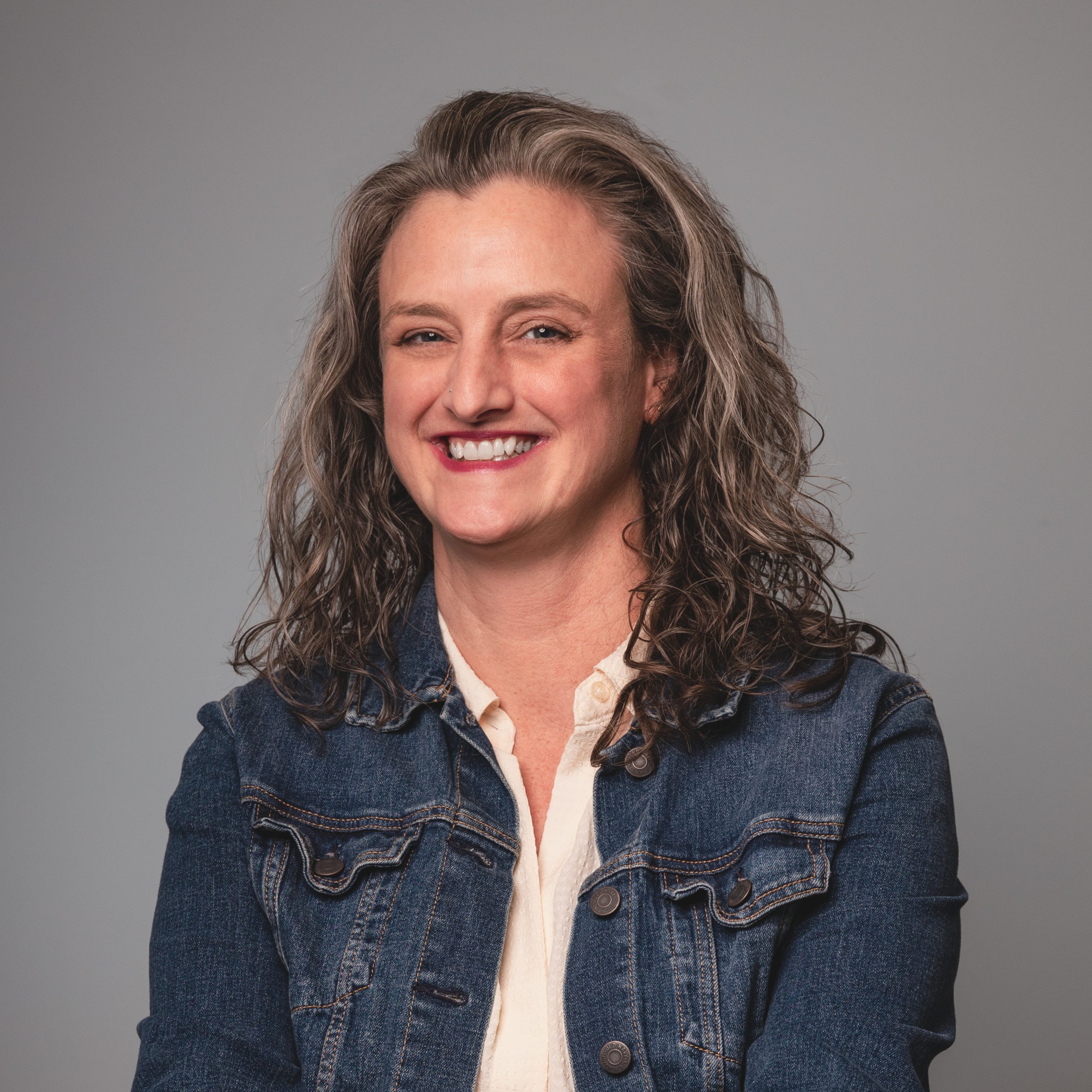
Medically Reviewed By:

Kelly Donald, PMHNP

Mood Disorder Treatment in NJ

Mood Disorder Treatment Program

A mood disorder is a mental illness that affects your mood and emotions. Mood disorders can cause frequent, intense feelings of sadness, anger, or excitement that can disrupt everyday life and impair functioning. Unfortunately, the feelings that come with mood disorders can be incredibly painful, causing some people to turn to drugs and alcohol.

Mood disorders are treatable. The first step toward getting help for a mood disorder is recognizing the symptoms. This article will explore what mood disorders are, how to identify them, and how they’re treated.

At Moving Mountains Recovery, we believe that long-term recovery requires overcoming not only substance abuse but also the root cause of your addiction. That’s why we offer comprehensive mood disorder treatment at our New Jersey rehab center. Our licensed therapists are committed to helping those affected learn how to manage their mood disorders and improve their overall well-being.

If you or someone you love needs mood disorder treatment in Randolph, New Jersey, reach out to the Moving Mountains Recovery specialists to get started.

Understanding Mood Disorders and How They Affect People

Mood disorders are a group of mental health conditions that primarily affect a person’s emotional state. They can cause persistent feelings of sadness, irritability, emptiness, or shifts between emotional highs and lows. Common mood disorders include major depressive disorder, bipolar disorder, cyclothymic disorder, and persistent depressive disorder. While each condition has its own symptoms and characteristics, all mood disorders significantly influence how a person thinks, feels, and functions on a daily basis. These conditions are also incredibly common—an estimated 21 million adults in the U.S. experience at least one major depressive episode each year, according to the National Institute of Mental Health (NIMH). 

These disorders do not simply involve “bad days” or temporary emotional distress. Instead, mood disorders create long-lasting changes in brain chemistry and emotional regulation, making it difficult for individuals to manage everyday responsibilities or maintain relationships. People may experience disruptions in sleep, appetite, motivation, and concentration, which can affect performance at work, school, and home. Over time, untreated symptoms may worsen and lead to feelings of hopelessness, isolation, or chronic stress. Because of the chronic nature of mood disorders and their impact on daily functioning, early intervention is essential.

Mood disorders also affect people socially and interpersonally. Individuals may find it harder to communicate their feelings, cope with stress, or stay engaged with the activities they once enjoyed. Loved ones may notice mood swings, withdrawal, or sudden changes in behavior. These shifts can cause strain in relationships and may lead to misunderstandings if friends or family do not fully grasp the severity of the individual’s condition. Because mood disorders can fluctuate, people may feel unstable or unsure of how they’ll feel from day to day, adding to the emotional burden.

Despite these challenges, mood disorders are highly treatable with the right combination of therapy, medication, support, and lifestyle adjustments. Understanding how these conditions work is the first step toward effective treatment and long-term stability. With compassionate care and personalized treatment, people can learn to manage symptoms, regain control of their emotions, and build a more fulfilling, balanced life. Early diagnosis and treatment not only reduce symptoms but also greatly improve quality of life—highlighting the importance of seeking help when signs first appear.

What Are the Mood Disorders?

Mood disorders are mental health conditions that primarily affect a person’s emotional state, leading to prolonged periods of sadness, low mood, irritability, or significant shifts in mood and energy. Understanding the different types of mood disorders can help individuals recognize symptoms early and seek appropriate treatment. Below are the most common mood disorders.

Depression

Depression is a common mental health condition that can cause feelings of sadness or emptiness. People with depression often experience other symptoms, including:

  • Poor concentration
  • Impaired memory
  • Changes in sleep patterns–sleeping too much or too little
  • Changes in appetite

There are several types of depression. They include:

  • Persistent depressive disorder: Chronic depression that lasts for at least two years. Symptoms may fluctuate in intensity.
  • Postpartum depression: Depression occurring in the final stages of pregnancy or after the end of pregnancy.
  • Seasonal affective disorder: Depression that occurs during certain seasons of the year that lessens with the changes of seasons. Most common in late fall and winter, with symptoms disappearing in the spring.
  • Depression with psychosis: Severe depression with psychotic episodes that may include hallucinations or delusions.

Depression is one of the most common forms of mental illness. Research from 2021 suggests that about 21 million people–about 8% of the population– in the United States experienced at least one major depressive episode in the previous year.

Bipolar Disorder

Bipolar disorder is a mental illness that causes extreme fluctuations in mood and energy levels and can affect thoughts and behaviors. There are several types of bipolar disorder involving mood fluctuations called hypomanic/manic episodes and depressive episodes.

People with bipolar disorder have it for life–there is no cure. However, bipolar disorder is treatable.

The types of bipolar disorder are:

  • Bipolar I: One or more periods of mania, with or without depression.
  • Bipolar II: Cycles of depression and hypomania (a less severe form of mania)
  • Cyclothymia disorder: Chronically unstable mood state that includes hypomania and mild depression for at least two years.

Depression is treatable, and many people can live full, healthy lives while managing their symptoms.

Cyclothymic Disorder

Cyclothymic disorder is a milder form of bipolar disorder involving frequent mood fluctuations that last for at least two years. Individuals experience periods of hypomanic symptoms and depressive symptoms that do not meet the full criteria for bipolar disorder or major depression. Although less extreme, these ongoing shifts can still make daily life unpredictable.

Seasonal Affective Disorder (SAD)

Seasonal Affective Disorder is a type of depression linked to seasonal changes, most commonly occurring during the fall and winter months. Reduced sunlight can disrupt sleep cycles, mood, and energy levels. Symptoms often include fatigue, irritability, increased appetite, and persistent low mood that improves with the return of longer daylight hours.

Disruptive Mood Dysregulation Disorder (DMDD)

DMDD is typically diagnosed in children and adolescents who exhibit severe irritability, anger, and frequent temper outbursts. These symptoms are far more intense than typical childhood mood fluctuations and can significantly affect school performance, peer relationships, and family life.

If you or someone you love is struggling with a mood disorder, getting the right support can make all the difference. At Moving Mountains Recovery in Randolph, NJ, we’re committed to providing compassionate, evidence-based care that empowers individuals to understand their symptoms, build healthier coping skills, and regain control of their lives. Our team is here to help you navigate every step of the healing process with respect, guidance, and hope. Reach out today to learn more about our mood disorder treatment programs in Randolph and discover a path toward stability, strength, and lasting wellness.

Is There A Connection Between Mood Disorders & Substance Abuse?

Extreme feelings of worthlessness, hopelessness, and shame can hold people back from truly enjoying life, and individuals often find themselves desperate for some type of relief.

Some individuals with mood disorders turn to alcohol, drugs, or other substances as a way to cope with their emotional pain. While these substances may provide temporary relief, they ultimately exacerbate depression symptoms and can lead to addiction.

On the flip side, individuals who abuse substances are at a higher risk of developing mood disorders like depression. The chemical changes in the brain caused by substance abuse can disrupt mood regulation, making it more likely for depression or other mental health conditions to take hold. People who have no previous history of depression may experience depression as a result of their substance abuse.

At the same time, both mood disorders and substance abuse share common risk factors, such as genetic predisposition, childhood trauma, and environmental stressors. These overlapping factors can contribute to the co-occurrence of these conditions.

More than 20% of people with a mood disorder also experience addiction at some point in their lives, but with comprehensive treatment, individuals can recover from both conditions simultaneously.

How are Mood Disorders Treated?

Effective treatment for mood disorders in New Jersey begins with understanding the underlying causes of the condition and creating a personalized plan that addresses both symptoms and root factors. When someone searches for mood disorder treatment near me, they are looking for care that is compassionate, evidence-based, and tailored to their needs. At Moving Mountains Recovery in Randolph, NJ, we provide comprehensive treatment that combines medication, psychotherapy, holistic support, and ongoing guidance to help individuals regain emotional balance and long-term stability.

Mood disorders often stem from a combination of genetics, brain chemistry, trauma, stress, and environmental factors. Because these conditions impact daily functioning and overall quality of life, receiving the right level of care is essential. Our clinical team uses a thorough assessment process to determine the most effective treatment plan, ensuring that each person receives the individualized support they deserve.

Medication for Mood Disorders in Randolph, NJ

Medication is often a key part of mood disorder treatment and can significantly improve symptoms such as depression, irritability, mood swings, anxiety, and low motivation. For individuals searching for mood disorder medication near me, our Randolph, NJ program offers access to licensed medical providers who specialize in psychiatric care.

Common medications used to treat mood disorders include:

  • Antidepressants: Helpful for major depression, persistent depressive disorder, and anxiety-related symptoms.

  • Mood stabilizers: Often used for bipolar disorder to prevent emotional highs (mania) and lows (depression).

  • Antipsychotics: Used in some cases to manage severe mood swings, irritability, or co-occurring conditions such as psychosis.

Before prescribing any medication, providers conduct a thorough mental health evaluation, physical exam, and review of medical history. This ensures the medication chosen is both safe and effective for the individual’s specific mood disorder. Ongoing monitoring helps adjust dosages and track progress over time.

Psychotherapy for Mood Disorders in Randolph, NJ

Psychotherapy—or talk therapy—is a cornerstone of mood disorder treatment. For individuals looking for therapy for mood disorders near me, our Randolph-based program offers several evidence-based therapies proven to improve emotional regulation, thought patterns, and overall functioning.

Mood disorders often develop from a combination of genetics, childhood experiences, trauma, and learned behaviors. Psychotherapy helps individuals identify these factors, understand their emotions, and develop healthier coping strategies. Over time, therapy can reduce symptoms, prevent relapse, and improve daily life.

Common therapeutic approaches for mood disorder treatment include:

  • Cognitive Behavioral Therapy (CBT): Helps individuals challenge negative thoughts and replace them with healthier, realistic perspectives.

  • Dialectical Behavior Therapy (DBT): Teaches emotional regulation, distress tolerance, mindfulness, and interpersonal effectiveness.

  • Psychodynamic Therapy: Explores past experiences, unconscious patterns, and core beliefs to improve self-awareness and healing.

These therapies allow individuals to break destructive cycles, build emotional resilience, and create long-term changes that support a healthier mindset and improved quality of life.

crisis stabilization unit in Morris County, NJ

Does My Insurance Cover Depression or Mood Disorder Services?

Many insurance plans do offer coverage for depression and mood disorder services, thanks to federal mental health parity laws requiring insurers to treat mental health care the same as physical health care. This means that therapy, medication management, psychiatric evaluations, and outpatient treatment for mood disorders are often covered—at least in part—by most major insurance providers. However, the exact level of coverage can vary widely based on your specific plan, carrier, and benefits.

When individuals search for mental health insurance coverage near me, they’re often looking for clarity about what their insurance will actually pay for. Most plans, including PPOs, HMOs, and employer-sponsored insurance, provide benefits for evidence-based treatment such as Cognitive Behavioral Therapy (CBT), Dialectical Behavior Therapy (DBT), and psychiatric care for conditions like depression, bipolar disorder, and other mood disorders. Some plans may require preauthorization or referrals, while others offer direct access to outpatient mental health services.

At our Randolph, NJ mood disorder treatment center, we help clients understand their insurance benefits from the very beginning. Our admissions team can verify your coverage, explain out-of-pocket costs, and walk you through what services your plan includes. This process helps eliminate confusion and ensures you receive the care you need without unnecessary financial stress. We work with many major insurance carriers and can guide you through the steps to make treatment as accessible as possible.

If your insurance plan does not fully cover mood disorder treatment, there are still options available. Many individuals use a combination of insurance, sliding-scale fees, out-of-network benefits, or financing solutions to make treatment affordable. The most important step is reaching out to verify your benefits and understand your options. No one should delay treatment because of financial uncertainty—we’re here to help you find the most supportive and cost-effective path forward.

Get Help for Mood Disorders in Randolph, NJ Today

If you or someone you care about is navigating a mental health issue, don’t wait to seek help. At Moving Mountains Recovery, our personalized services for crisis stabilization in New Jersey provide individuals with the safety, structure, and therapeutic care they need during challenging times.

Our expert team is here to guide you every step of the way, offering compassionate support and evidence-based solutions to ensure lasting recovery. With programs tailored to individual needs, we’ll help you regain stability, build coping skills, and create a foundation for sustained wellness.

Contact us today to learn more about our Randolph crisis stabilization programs.


Jump to Section

Table of Contents

Request a Callback

First Name:(Required)
Last Name:(Required)
Moving Mountains

A Leader in High-Quality Treatment

At Moving Mountains Recovery Center, you are more than just another number.

Insurance Can Cover Up to 100%

We Accept Most Major Insurance

We have a team of experts that navigate the relationship with the insurance companies on your behalf to make sure you’re getting the highest levels of care at the least amount possible.

Don’t see your provider?

Let's Move Mountains Together

Ready to Change Your Life?