24/7 Help Available

ADHD Treatment Program in Randolph New Jersey

Personalized ADHD Treatment Program in Randolph, NJ

Medically Reviewed By:

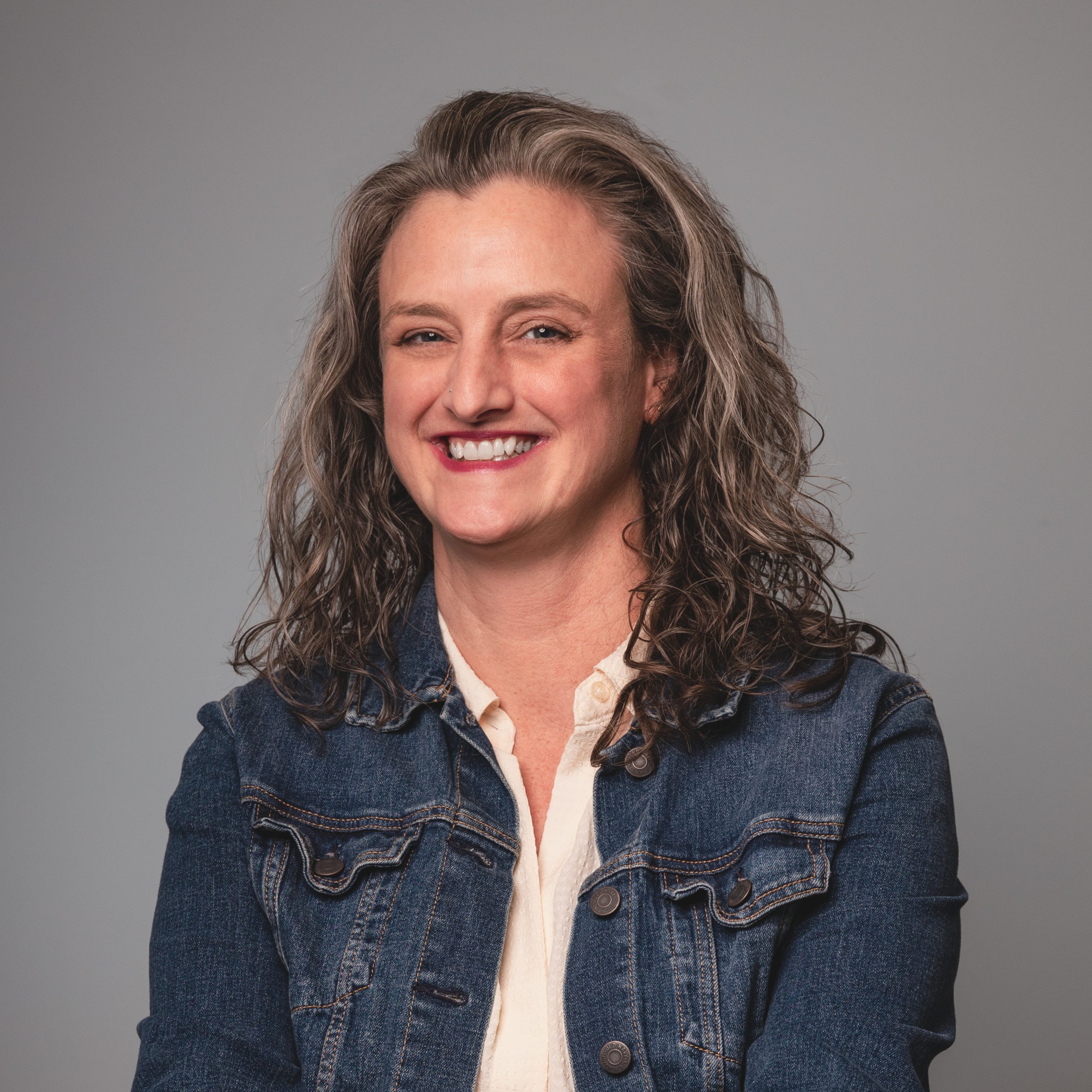
Kelly Donald, PMHNP

ADHD Treatment in New Jersey

Local Treatment for Attention Deficit Hyperactivity Disorder (ADHD)

Attention-Deficit Hyperactivity Disorder (ADHD) is a complex neurodevelopmental condition that affects millions of children, teens, and adults across the country. Marked by persistent challenges with focus, impulsivity, and hyperactivity, ADHD can interfere with school, work, relationships, and daily routines. In communities like Randolph, New Jersey, many individuals face an added obstacle: a heightened vulnerability to drug or alcohol misuse. Research shows that more than 6 million people in the U.S. live with ADHD, and an estimated 13–21% also struggle with a co-occurring substance use disorder—a connection often driven by untreated symptoms and shared genetic or environmental risk factors.

At Moving Mountains Recovery, we understand how deeply intertwined ADHD and addiction can become. When symptoms go unmanaged, many people turn to substances in an attempt to cope with restlessness, emotional overwhelm, or difficulty focusing. That’s why our approach in Randolph, NJ is centered on treating the root cause rather than just the addiction itself. Our comprehensive ADHD and addiction treatment programs are designed to help clients gain clarity, develop better emotional regulation, and build practical skills that support long-term stability.

Our licensed therapists provide individualized care tailored to each person’s needs, helping them understand their ADHD, manage symptoms in healthier ways, and improve overall well-being. By addressing both conditions together, we empower individuals in Randolph and surrounding Morris County communities to break the cycle of self-medication and move forward with confidence, balance, and renewed purpose.

What is Attention-Deficit Hyperactivity Disorder (ADHD)?

Attention-Deficit Hyperactivity Disorder (ADHD) is a complex neurodevelopmental condition that often begins in childhood and can carry into adolescence and adulthood. It is characterized by three primary symptoms— inattention, hyperactivity, and impulsivity—each of which can affect daily life in different ways. For many individuals, these symptoms can disrupt academic performance, work responsibilities, relationships, and overall quality of life, making early recognition and effective treatment essential.

Hyperactivity

Hyperactivity manifests as excessive restlessness and an inability to sit still. Children with ADHD may constantly fidget, tap their feet, or talk excessively. In adults, this restlessness can take the form of inner restlessness and an inability to relax.


Impulsivity

Impulsivity involves acting without thinking about the consequences. Individuals with ADHD may blurt out inappropriate comments, interrupt others, or engage in risky behaviors without considering the potential dangers.


Innattention

People with ADHD often struggle to focus on tasks, follow through with instructions, and stay organized. They may frequently make careless mistakes, forget important details, and need help organizing their thoughts and activities.

 
ADHD Treatment in Randolph NJ

Diagnosing ADHD in Men vs Women

ADHD is often identified during childhood, but research shows that diagnosis patterns vary widely. Girls are historically underdiagnosed, and many women in New Jersey don’t receive an accurate ADHD diagnosis until adulthood because their symptoms tend to present more subtly. While hyperactivity is commonly recognized in boys, many girls and adults experience predominantly inattentive symptoms, such as disorganization, overwhelm, or difficulty focusing—making proper assessment even more essential.

Because ADHD affects everyone differently, symptoms can range from mild to severe and may shift over time. Some individuals struggle mainly with inattention, while others experience more impulsivity or hyperactive behaviors. To ensure an accurate diagnosis, clinicians rely on a comprehensive evaluation that typically includes:

Duration of Symptoms: Signs must be present for at least six months.
Onset of Symptoms: Symptoms must have appeared before age 12.
Functional Impairment: ADHD must significantly impact daily life, such as school performance, work responsibilities, home routines, or relationships.
Rule-out of Other Conditions: Other mental health or medical conditions must be excluded before confirming an ADHD diagnosis.

Even though ADHD is commonly associated with children, many teens and adults in New Jersey continue to struggle with symptoms throughout life. These symptoms may look different as individuals age, but they can still impact productivity, emotional well-being, and relationships without proper support.

If you or your loved one is seeking ADHD treatment in Randolph, NJ, Moving Mountains Recovery offers evidence-based care designed to help you understand your symptoms, build effective coping strategies, and regain control of your daily life. Our New Jersey ADHD treatment program provides the tools, structure, and support needed to thrive at any age.

The Connection Between ADHD and Addiction

The relationship between ADHD and addiction is complex, deeply interconnected, and more common than many people realize. Individuals with Attention-Deficit/Hyperactivity Disorder often struggle with impulsivity, difficulty regulating emotions, and challenges managing stress or frustration. These factors can increase vulnerability to substance use as a way to cope, self-soothe, or temporarily improve focus. Without proper treatment and support, the symptoms of ADHD can create a cycle in which unhealthy behaviors become a form of relief—ultimately increasing the risk of addiction.

Another contributing factor is the impact ADHD has on the brain’s reward system. People with ADHD often experience lower levels of dopamine, the neurotransmitter responsible for motivation and pleasure. Substances like alcohol, stimulants, or opioids can briefly elevate dopamine levels, creating a sense of calm, focus, or euphoria. This temporary relief may feel appealing, especially when ADHD symptoms feel overwhelming. Unfortunately, repeated use quickly reinforces dependency, making individuals with ADHD disproportionately susceptible to developing substance use disorders.

Social and emotional struggles also play a significant role. Many individuals with ADHD experience academic challenges, difficulty maintaining relationships, and feelings of underachievement or rejection. Over time, these experiences can lead to low self-esteem, anxiety, or depression—conditions that further increase the temptation to self-medicate with drugs or alcohol. When emotional distress goes unaddressed, substance use can become a harmful coping strategy, creating a dangerous overlap between ADHD symptoms and addictive behaviors.

However, understanding this relationship is the first step toward healing. When ADHD and addiction are treated together through evidence-based, integrated care, individuals can break free from this cycle. Comprehensive treatment—including therapy, medication management, behavioral interventions, and structured support—helps address both conditions at their roots. By treating ADHD effectively, individuals reduce their reliance on substances and gain healthier tools for managing symptoms, ultimately improving their overall well-being and long-term recovery outcomes.

How is ADHD Treated?

Treating ADHD requires a comprehensive, individualized approach that addresses symptoms, behaviors, and the underlying challenges that impact daily life. Effective ADHD treatment combines therapeutic support, medication options, lifestyle strategies, and environmental adjustments to help individuals improve focus, manage impulsivity, and build long-term coping skills. Below are the most common components of ADHD treatment.

Local ADHD Behavioral Therapy

Behavioral therapy is one of the most effective tools for managing ADHD. This therapeutic approach helps individuals build healthier habits, improve emotional regulation, and reduce impulsive behaviors. Therapists work with clients to develop structured routines, strengthen organizational skills, and master techniques that improve attention. Cognitive Behavioral Therapy (CBT) and Dialectical Behavior Therapy (DBT) are especially helpful for addressing negative thought patterns, frustration tolerance, and co-occurring mental health challenges such as anxiety or depression.


Medication For ADHD in Randolph

Medication is often a key component of ADHD treatment and can significantly improve focus, attention, and impulse control. Stimulant medications, such as methylphenidate or amphetamines, remain the most widely used and effective options. Non-stimulant medications—including atomoxetine and certain antidepressants—are also available for individuals who may not respond well to stimulants. Medication management is always overseen by a licensed medical provider who monitors progress, adjusts dosages, and ensures maximum safety and effectiveness.


ADHD Coaching and Skill-Building Near You

In addition to therapy and medication, many individuals benefit from ADHD coaching and structured skill development. This type of support focuses on real-world challenges like time management, organization, school performance, communication skills, and goal-setting. Coaches help clients break down tasks into manageable steps, develop consistent routines, and learn practical strategies for overcoming distractions. These tools can dramatically improve productivity and confidence in everyday life.


Expert Support for Co-Occurring Disorders

ADHD often coexists with mental health conditions such as anxiety, depression, learning disorders, or substance use disorders. Effective treatment addresses these co-occurring issues simultaneously to ensure long-term stability and success. Integrated care may include additional therapeutic interventions, specialized support groups, or crisis stabilization services. Treating both ADHD and any related conditions helps individuals fully understand their symptoms and prevents them from relying on unhealthy coping mechanisms like substance misuse.


Our Approach to Treating ADHD in Randolph, NJ

At Moving Mountains Recovery, our approach to addressing Attention-Deficit Hyperactivity Disorder (ADHD) is comprehensive and client-centered. Our ADHD treatment program in New Jersey encompasses a range of therapeutic modalities, including individual counseling, group therapy, family involvement, adventure-based therapy, and access to medical and psychiatric care as required.

We understand that ADHD is a highly individualized condition, and as such, we customize each treatment plan to align with the unique needs of every individual. By addressing the holistic well-being of our clients and not solely focusing on the symptoms of ADHD, we empower them to effectively manage their ADHD challenges and work toward a brighter, more productive future.

Additionally, our team places a strong emphasis on helping clients build real-world skills that support long-term success. Through structured routines, hands-on coping strategies, and ongoing support, we guide individuals in improving focus, reducing impulsivity, strengthening emotional regulation, and enhancing daily functioning. This integrated approach ensures that clients not only find relief from symptoms but also gain the confidence and tools needed to thrive in school, work, relationships, and overall quality of life.

ADHD Treatment in Randolph

What to Know About Our ADHD Program in New Jersey

Choosing the right ADHD treatment program is an important decision for individuals and families seeking lasting support and symptom relief. At Moving Mountains Recovery, we aim to provide clarity, transparency, and confidence throughout the treatment process. Below are some of the most frequently asked questions about our ADHD program in New Jersey, designed to help you better understand our approach, services, and what to expect when you begin care.

What types of therapies are included in your ADHD treatment program?

Our program incorporates a variety of evidence-based therapies such as Cognitive Behavioral Therapy (CBT), Dialectical Behavior Therapy (DBT), adventure-based therapy, individual counseling, group therapy, and family sessions. Treatment plans are personalized based on each client’s symptoms, goals, and needs.


Do you treat ADHD alongside addiction or other mental health conditions?

Yes. Many clients experience ADHD along with anxiety, depression, trauma, or substance use disorders. We offer integrated, dual-diagnosis treatment to address multiple conditions simultaneously, ensuring comprehensive and effective care.


Will medication be part of my ADHD treatment?

Medication may be recommended depending on your symptoms and clinical evaluation. Our psychiatric team provides medication assessments, monitoring, and adjustments as needed. Whether or not medication is included, treatment always incorporates therapeutic strategies to ensure well-rounded support.


How long does ADHD treatment typically last?

Treatment length varies based on each individual’s needs, symptom severity, and progress. Some clients benefit from short-term stabilization and skill-building, while others engage in longer-term care to reinforce coping strategies and address co-occurring concerns. Our team works with you to create a plan that fits your goals and supports lasting success.


Find Treatment for ADHD and Addiction in New Jersey

If you or someone you love is facing ADHD and addiction, you don’t have to navigate it alone. Moving Mountains Recovery offers compassionate, evidence-based ADHD treatment in New Jersey designed to help you regain clarity, confidence, and control. Call today to speak with an admissions specialist and start your risk-free assessment. Your path to stability and recovery begins here.

References

Jump to Section

Table of Contents

Request a Callback

First Name:(Required)
Last Name:(Required)
Moving Mountains

A Leader in High-Quality Treatment

At Moving Mountains Recovery Center, you are more than just another number.

Insurance Can Cover Up to 100%

We Accept Most Major Insurance

We have a team of experts that navigate the relationship with the insurance companies on your behalf to make sure you’re getting the highest levels of care at the least amount possible.

Don’t see your provider?

Let's Move Mountains Together

Ready to Change Your Life?